5 Multimedia Designer jobs

Photo by Tyler Casey on Unsplash

Some fields let you work with only a high school diploma; other fields require at least a bachelors. About 37% of adults have at least a bachelor’s degree, which means 63% of adults do not. Finding a job is much harder without at least four years of college under your belt. Many of the Multimedia job listings below require a bachelor’s degree or at least 3-5 years of experience. If you want to pursue this career field without going to college, then at least make sure you have a couple of years’ worth of experience.

Multimedia Designer

Adecco RCE- Miami,FL

Requirements:

  • Bachelor’s degree in multimedia system, Graphic style or connected field
  • 3-5 years minimum work expertise in multimedia system or graphic style
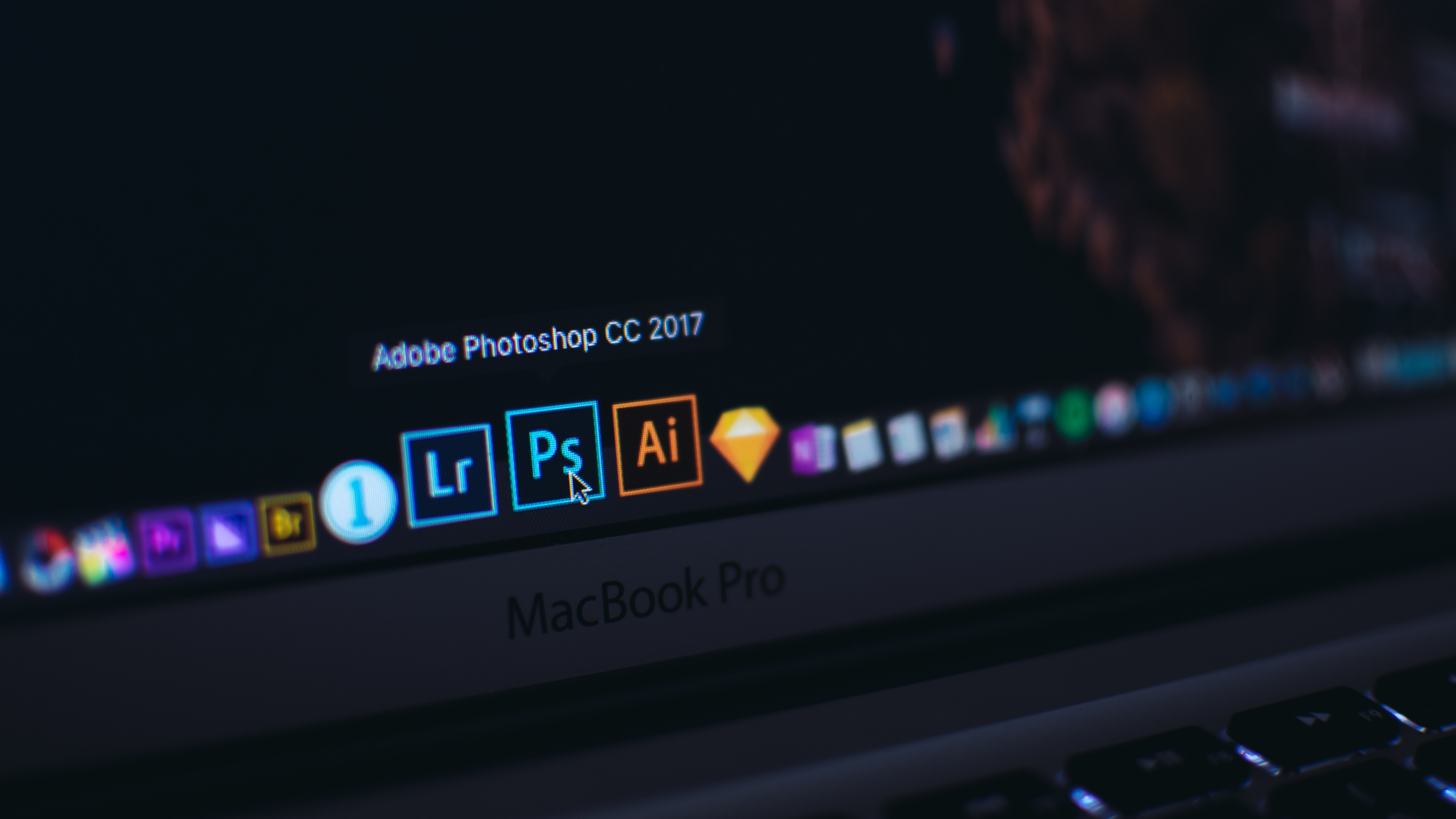
  • Expert in using the Adobe artistic Suite software system
  • Extraordinary design style
  • Works well with others to deliver results; keeps others aware to avoid needless surprises
  • Strong communication skills, ability to clarify artistic ideas and present style ideas
  • Must have Multi-tasking abilities and work well under pressure
  • Interest in operating with a dynamic team with the formidable goal of reinventing beverage

Instructor/Multimedia Developer

University of South Florida- Tampa, US

Requirements:

  • Bachelor’s degree or Master’s in multimedia system, Graphic style or connected field
  • Project Management Skills: operating in groups, on a timeline
  • Communication/Presentation Skills: excellent written and verbal skills to conduct conferences
  • Research/Troubleshooting Skills: Ability to analysis style problems and improve method with strong analytical and troubleshooting skills.

Multimedia Illustrator

US ARMY- Fort Lauderdale, FL

Requirements:

  • Must take Armed Services vocational aptitude Battery Tests
  • Have information of multimedia/A Degree
  • Be ready to produce visual displays, animations, documents.

Social Media Content Designer

Matrix Inc , Orlando FL

Requirements:

  • 3-5+ years of relevant expertise in advertising, design, or related function.
  • Skillful in Adobe Photoshop, after Effects, and illustrator is a must.
  • Experience in brief clip animations with typography, full motion video and stills.
  • Experience in multi-social platforms and art-boards.
  • Knowledge of selling, all kinds of advertising, and digital experiences.
  • Prior expertise inside travel and hospitality is a plus.

Audio Visual/Digital Media Production Specialist

Lukos – Dayton, OH US

Requirements:

  • Should at least, have a bachelor’s degree in Electronic Media, Video Broadcast, or a connected field, and/or a minimum of five years of Audio-Visual Technology expertise.
  • Must be a U.S. citizen
  • Be skillful with Adobe programs: Premier professional, Audition, Photoshop, after Effects, illustrator, Captivate
  • And Microsoft Word, Excel, and PowerPoint

The websites are linked within the headings, I suggest you scan a couple of them just to get an idea of the type of information and skills the jobs above — and others you might encounter in the same avocation — require you to have.

How to not go to jail via copyright rules

Photo by Helloquence on Unsplash

Don’t be ‘that guy’, follow the rules.

So, in order to help you not be ‘that guy’, I’m going to explain all these basic rules, statues,disclaimers, and filing procedures as simply as I can. I understand my way of writing things might not suit your fancy, but bear with me.

Moving on, the copyright law was made to give authors/artists special rights at their creations. These special rights give them the freedom to sell, and own their work up until 70 years after their death. You might of heard of the woman who bought the ‘Happy Birthday’ song. Which happens to be the reason why many restaurants don’t sing the happy birthday song, but a song with their original inspired lyrics, and sometimes tune. If they wanted to sing it, they would have to get permission first.

Copyright rules might seem troublesome to you, but I’m sure authors must be appreciative of them. I follow a lot of artists on social media that work hard at their craft, and don’t like it when people take their hard work and try to profit off of them. It’s almost like a sibling taking, your favorite thing and selling it in a yard sale without your permission.

Speaking of permission, creators also fill out filing procedures with the state copyright office. Filing procedures in copyright gives the author the right to sue for violation of the law. The office sends a certificate as a confirmation that your copyright claim has been processed. It can be registered online or deposited through mail, it merely depends on the preference of the creator.

Photo by Wesley Tingey on Unsplash

However, there was an Act passed called ‘Fair Use’. On videos based off other content their will always be disclaimers, stating who created it along with other information. The Fair Use Act allows you to use a small amount of copyrighted work from an author without permission, but it is usually used for news/educational purposes. In the case that you happen to wish to use copyrighted information, I will make a list of steps to write a disclaimer.

  • ( c ) when you put those together it should look like this © 
  • Next put the year, and the earlier year if it happens to have one (ex: 2000-2011)
  • Then put the name of the author, meaning yourself and whoever is working on the project with you
  • Optional: All Rights Reserved
  • Then paste it on your books, websites, etc.

Tripod basics

Photo by Aaron Burden on Unsplash

Before I started using Tripods, I thought the only thing they were supposed to do is hold the camera when you got tired. It’s a pretty innocent thought considering my lack of knowledge, but just like a soda can tab has more functions than we usually use it for, so does a tripod. And trust me, it’s not that hard to use. You can adjust the height, position, spin it 360, anything you want. 

But I didn’t come to tell you what it can do, but more so what you can use it for.

Typically, tripods are used for still photos or photos in motion. For example, if you are taking a nature shot, you would probably have to stand with your camera for a very long time but with a tripod you won’t have to, just click the button and it’s done. Also, if you want to take a picture of moving water and want it to have a smooth texture you would need a long/slow exposure. But, in order to do so you would need a slow shutter which causes the image to become blurry, and if you had it in your hand, it would cause your image to be even more blurry.

Photo by ÁLVARO MENDOZA on Unsplash

Tripods are also used for taking photos of athletes in action. All you need to do is position the camera and shoot. It makes everything more fluid and creates an easier environment for panning images.

More importantly, your grip and hold can drastically change the clarity of your image. Knowing the information above is important, but so is this. If you’re not really focused on movement than a heavier model is good for you, but if you need to move from place to place than a lighter model is more suitable. So the word grip, probably doesn’t mean the thing that you are thinking right now. Grip relates to a cameras battery grip, which gives your battery extended life. Which is good, considering that when I take my camera on a photo shoot the battery depletes rather quickly. And now we move on to talking about holds. There are a lot of ways we can hold cameras, some ways include.

  • Elbows together toward your chest, firm hold on the camera holding it near to your face.
  • You can use your left arm as support for your camera
  • Sitting down with your legs slightly open and feet pointing down helps you keep your center of gravity
  • Laying down on stomach with your elbows positioned close together on the floor, while leaning slightly into the camera is also another good position.

Using these tricks you can improve your photography, and make it go from good to great. From murky shots to sharper and more clear shots!

Dummies guide to Digital Cameras

Looking back on my life, the first time I used a digital camera I thought that all I would need to know is what button took a picture and what button allowed you to view your gallery. It was a simpler time then. Now that I’m being exposed to more costly cameras, and am required to learn certain techniques, have I started to notice all the different settings that make a camera. The person who created them had a lot of thought put into it.

So in this blog post, I’m going to help you understand that a digital camera can do so much more once you learn how to properly use it.

Starting with the different types of digital cameras: 

  • Compact Cameras
  • Zoom Compact Cameras
  • Advanced Compact Cameras
  • Adventure Cameras
  • DSLR’s (Digital Single Lens Reflex)
Photo by Iswanto Arif on Unsplash

Compact Cameras

They are also known as “point and shoot cameras”, because that’s all they really do. They have built in autofocus lenses , automatic exposure settings and flash. These are the typical cameras that would be brought on a family vacation because of how easy they are to use and their portability. These are good for memory pictures but not for more professional grade works.

Photo by Patrick Brinksma on Unsplash

Zoom Compact Cameras

These cameras are a step up from compact cameras. These cameras provide better zoom settings while still keeping the same automatic exposure fixes. The only big difference would be the manual settings for recording.

Photo by Kelvin Zyteng on Unsplash

Advanced Compact Cameras

Can you guess what this is going to mean? If you guessed more manual settings then you are correct. With these cameras you can have more control over the exposure and focus of your photos. They’re still fairly portable, but the quality is better than a shot from your phone.

Photo by Jakob Owens on Unsplash

Travel Cameras

Travel Cameras are the Jeep of cameras meaning, that they can withstand certain conditions that other cameras cannot. These cameras are very durable, but hearing all of this it sounds like the perfect camera right?wrong. With so many things added, something had to be changed and that something is the senor of the camera/viewfinder. So I would not recommend them for anything more serious than a hobby.

Photo by Annie Spratt on Unsplash

DSLR’s (Digital Single Lens Reflex)

These types of cameras are heavier than the lightweight ones I have mentioned thus far. Its also the camera you would use for professional use, due to the variety of settings and interchangeable lenses. Now get ready, because this is the time where you’ll stop relying on the camera to take good photos and let your camera rely on you to tell it what to do. Using compact cameras such as these, allow for more interesting photos and styles.

Go out there and take some pictures! Hopefully after reading this blog it has provided a little bit of clarity regarding the subject of digital cameras.

Fixes for Computer Malfunctions

Your computer is bound to run into problems at some point in time, that is just how technology is. But that doesn’t mean you have to spend all your money trying to figure it out. It can be fixed by us. And it is much simpler than it sounds.

Let’s take a look at the five most common computer problems:

  • Frozen screen
  • Slow Computer
  • Computer won’t start
  • Disconnects from Internet
  • Overheating

Frozen Screen

Photo by Christin Hume on Unsplash

You’re sitting peacefully at a table doing an assignment, when all functioning just ceases. Rapidly clicking on the mouse or clicking your space bar your repeat the words, “No! NO!” I’ve been in the situation you were in multiple times. The real question is, how do you fix it?

You could begin by restarting your computer. The bad news is that you’re risking losing your work, if it starts up just fine then congrats you just fixed your computer. If your computer has problems when starting up, unplug everything (except your charger) and then plug it back it, it could have just been that device messing with your computer.

Another way you could take care of a frozen computer is by pressing the: Ctrl+Alt+Delete button to force your computer to quit running the programs that are currently open.

Slow Computer

Photo by Pascal van de Vendel on Unsplash

Before anything, do you by any chance have twenty or more tabs open? If so, close them. If you don’t then keep reading to understand the cause.

If in the past you have deleted any apps, go to your computer search bar and type ‘uninstall’, even if you delete an app from your desktop it still lingers in your system. While you’re there make sure to delete old or unwanted files as well.

And if none of these relate to you, it could be that the application you are trying to run is too big for your computer to handle. If you want more space on your computer, Invest in an external hard drive.
Computer won’t start

Photo by Ali Yahya on Unsplash

Check your power supply, make sure all devices are plugged in and if not, try it with another plug. You could also press ‘F8’ on your keyboard when restarting your computer to make it go into ‘safe mode’. Safe mode only allows necessary programs to boot up with your computer so there would be a less likely chance of a faulty start up.

Disconnecting from Internet

Photo by Domenico Loia on Unsplash

A computer dropping internet connections is like playing Russian Roulette. Usually the reason is a bad cable/phone line. In more serious cases, it would be a virus or a problem with your drive. You can go here, to check my blog post about viruses and computer safety.
Overheating

Photo by Christian Sterk on Unsplash

Your computer can get a little warm while it’s working, but never let it get to the point where you could make scrambled eggs on it. When you work your computer too hard it can overheat, so turn it off and let it rest for a few minutes until it cools down.

Reading this blog sure saved a couple of dollars out of someone’s pocket. So, take care of your computers, treat them like babies and make sure to tend to their every need. If you do, then your computers won’t throw tantrums(malfunction).

Adobe Software and Design

Designers are meant to be loved, not to be understood.

Margaret Oscar (designer)

Adobe Software is known for its different apps showcasing creativity. However, each has a specific purpose. Using an animation software to print wouldn’t make much sense, right? Which is why together we will explore some different software and their proper functions.

Printing

Photo by Charisse Kenion on Unsplash

Sure, it can be argued that you can print using other applications from Adobe, but only In-design will allow some functions that you can’t get anywhere else. In-design allows for multiple page documents, with a combination of text and pictures. What that means is the screen is set up so that it looks like an open book.

The split page also contains alignment lines in your book, helping you follow the four principals of design better. Alignment guides the reader the page and makes the spaces between paragraphs easier to read. Photoshop can allow different fonts and effects, but In-design allows you to manipulate your typography. Which is just a fancy way of saying it allows you to fully have control of each individual letter and what they do.

In-Design is better suited for Print Designers, due to the fact it was created for that purpose, so when used correctly the work flows easier.

Websites

Photo by Sai Kiran Anagani on Unsplash

If websites are what you’re interested in making, then look at Adobe Dreamweaver. Using this software, you will be able to make modern looking websites that appeal to you viewer. Not only that but it creates responsive websites, meaning that the website will change to fit any type of screen. The website Coding Cyber provides more detail concerning websites in Dreamweaver.

Photos

Photo by Mikaela Shannon on Unsplash

Photoshop CC is like a wonderland for those of you who deal with editing photos. It has nearly every tool that you could imagine; cropping, spot healing, lighting etc. And it allows you to check the properties of your photos and see the exact settings of your camera in which you took the picture.

Animation

Photo by Zakaria Ahada on Unsplash

Adobe Animate is the most popular 2D animation software. This software is great for getting started with animation, its not recommended for professional use, but it gets the job done. Adobe After Effects is another one that is great for 2D animation. It provides the puppet tool which is very helpful. A great part about this one is unlike other software’s you can edit and color in the same place, this saves a lot of time.

Video

Photo by Wahid Khene on Unsplash

If you’re dealing with video, or audio of any kind, Adobe Premiere Pro CC is where you want to go. It allows flexibility in your creative process and has easy drag and drop timelines. You can change you color adjustments, exposure, tints and much more. Adobe Premiere syncs your devices so that you can reach you work wherever you are.

Storage Devices on your Computer

“The computer was born to solve problems that did not exist before.”

-Bill Gates
Photo by Anas Alshanti on Unsplash

Today we are going to venture the differences between storage devices. Internal storage, External storage, and Cloud storage devices.

Internal storage is just how it sounds, it’s a device that is built inside your computer. What this allows you to do is, store your files and apps. Flash memory is a prime example of Internal storage. Flash memory is popular throughout all portable devices, and it helps store your data electronically, rather than a magnetic storing hard drive. Electronic storing helps retrieve data much faster than magnetic storing, due to the rapid download into its memory. The only real downside about having an Internal storage device is that if your hard disk fails, you will lose all of your data. However, that is not to say that you can’t prevent this, because you can by having more than one disk.

External storage devices are not built into the computer, they are a device that can be connected to your computer (permanently or not) and have information transferred to it. External storage is the next in line from your main storage system, sometimes referred to as a secondary storage. This type of storage is used to access information that are not used all of the time, like your files. External storage can also be used to move large bits of data to the Cloud.

The Cloud is a database that stores your information using a third party, rather than a secondary or primary storage device. Due to the fact that Cloud is a database rather than a device, it requires internet to be accessed. This type of storage is good because it doesn’t force you to delete files from a full hard drive, and they only charge you for the storage that you use. Businesses also find the Cloud useful, due to its ability to share information. The Cloud allows you to grant access to people and work on projects or assignments together.

Overall, these are just a few examples of what these three storage devices are capable of. There are other websites that will go more in depth about each of their set purposes. Once you figure out those purposes, you can then decide to make a decision on sticking with your internal storage or getting an external storage and maybe even an account on the Cloud.Well, that about wraps up the differences of these three storage devices. So long!

Mac vs PC operating systems

Photo by Markus Spiske on Unsplash

MAC vs PC Operating systems, what’s the difference?

Well first off, PC stands for personal computer it is not a type of computer itself. When I say PC in this post, I am talking about any computer running Windows. Which is funny considering, MAC computers can run Windows and vice versa.

I myself have not owned a MAC computer, but I have done work on some of the older versions. And from I remember with working with them is they are very user friendly, in terms of OS software. The PC’s that I do most of my current work on now have all been Windows. So, from having tested both computers out I have learned that although they have some similarities, they are still vastly different. If they weren’t then they’d be the same computer with different names.

Some differences between MAC and PC:

  • Price
  • Operating systems
  • Graphics

Starting off, the first key difference would be price. MAC is made by a single manufacturer (Apple), while Windows is manufactured by many (Dell, HP etc.). This makes the prices of Windows cheaper and more affordable than a MAC. And if you were interested in building your own Windows PC it would be even cheaper.

The operating systems of both MAC and Windows have gotten quite impressive over the years; Windows with its new touch sensitive technology and MAC with its ability to be connected to all Apple products. Windows and MAC have always been considered business ready laptops, coming full packed with Office 365. But, due to new features they have begun to take separate names for themselves.

Windows are much better designed for handling hard core gaming software than Apple and are known for a famous laptop brand called Alienware. The brand Alienware is known for its extraterrestrial designs, ability to function using high graphics, and water-cooling systems.

MAC Computers have had the reputation of being a ‘designers’ laptop. This nickname comes with special perks that aren’t available in PC, such as, special tools that can be used in any Adobe application. MAC Computers have always prided themselves as having easy operating systems, even going as far to include new updates that create a better and simpler experience for users. Even compared to a PC, MAC wins in the user-friendly territory.

Now on to the bit I’m sure you were most excited for, graphics! Due to be a ‘designers’ laptop, Apple has focused a lot of its time into fonts and color in screen and print. This might make you believe that is a complete win for Apple, but that is not necessarily true. While Apple may have perfected its craft, you can still achieve nearly the same thing with a PC.

In the end it all deals with preference and experiences. If you have used PC all your life and enjoy it then stick to it, but if you are looking for me to tell you which one is better, I suggest trying the both out and making the decision yourself. I’m not going to be the one that has to use the computer of your choosing, you are, so pick what best suits your needs.

Computer Guidelines & Ergonomics

Don’t use “beef stew” as a computer password. It’s not stroganoff.

Photo by Bench Accounting on Unsplash

I am not a very safe person when it comes to technology. I’m the type of person to use sketchy websites in order to watch free movies, knowing full well I might get like thirty-seven viruses. I wouldn’t be writing this today if it weren’t for my tech-savvy brother installing major security on my computer. So, I would like for you to be more informed about your computer safety just in case you don’t have tech savvy people in your vicinity.

Here are some tips:

  • Be aware of your surroundings
  • Don’t make simple passwords
  • Know when to spot a fake virus

Be aware of your surroundings. You need to know exactly what type of website you are dealing with. Malware (Bad software) causes damage to your computer and any contents in it. So, an example of some cases where malware can be acquired is Zip files (files with zipper). If you download something that contains a Zip file , make sure you also have WinZip and a good anti-virus program to scan your files.

Don’t use simple passwords. When I say simple passwords, I mean don’t write one that everyone knows like: your birthday, create private ones that have some type of meaning to you and are about twelve to sixteen letters.

Know when to spot a fake virus. These fake viruses are very sneaky, and they’ll try to get you to download some anti-malware software that will wreck your computer. But stay calm and focus for a second. Usually fake viruses will pop up as advertisements on websites and try to convince you that there are multiple viruses on your computer and to download security. If you see this and are still not sure, search up the name on google.

Follow these three rules and you’re guaranteed a safer tech environment.

Photo by Brooke Cagle on Unsplash

Ergonomics

When you think Ergonomics the first thing that should pop in your head is efficiency in the workplace. Now, what does Ergonomics have to do with computer safety? Well, you wouldn’t be doing very well in your job or school if you got a bunch of viruses, now would you? You’re welcome.

To put it simply, the science of Ergonomics helps your workplace fit your needs so that you can work better. When you have a work-space with a computer there is a lot of work that goes into making sure your desk is the right height, you have slightly reclined seating, your monitor is in the right position etc. And that is all done to make sure you aren’t caused more stress than the stress you might get on a daily at work.

So, the next time someone complains about science, bring up Ergonomics. Surely no one would complain about something designed to help them.

Get to know the ‘body’ of your computer

Computers are the future. So, it’s important that we learn about them.

Photo by Christian Wiediger on Unsplash

What Is A CPU?

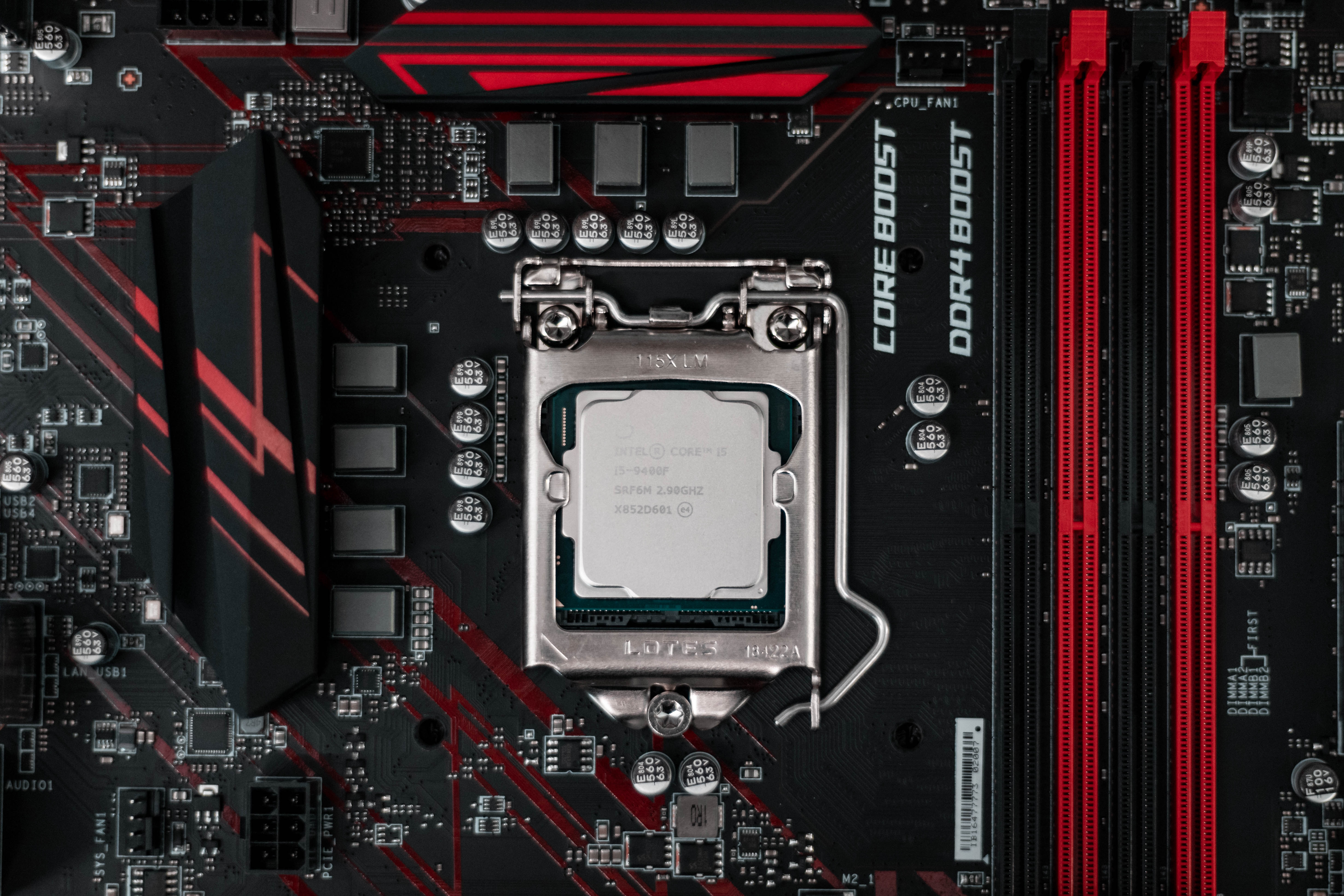
This little square you see in the image above is called a CPU (Central Processing Unit). Now don’t freak out, I will explain what that really means. This device is the manual for your computer. It provides instructions and helps to pass on that information to the other chips in your computer, making everything functional. Simple right? This tiny square is the brain to your computer. If you would like to know where your tiny computer brain is, take a look at your computer tower, it will either be on the bottom or the side depending on design.

Photo by Liam Briese on Unsplash

RAM? Like the Animal? No.

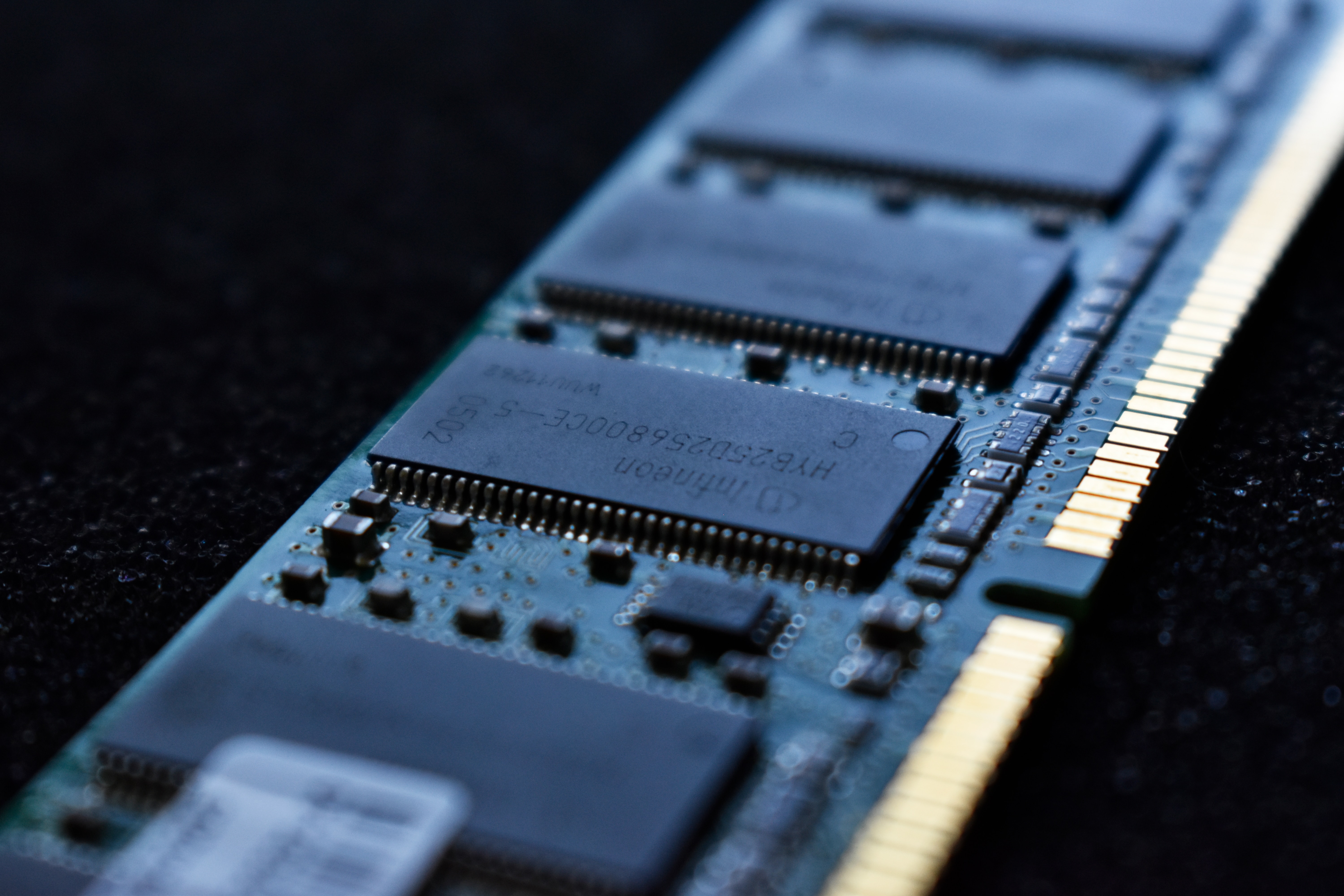
If we take a look deeper into what makes up a computer we will see a a rectangular circuit board. Here is the RAM (Random Access Memories) where all the memory of your computer is held. I can’t think of a better way to say this than an example from Crucial (a manufacturer of RAM), RAM is your computer’s short-term data storage. In this article at Crucial, they explain in depth a little more about how RAM works.

Photo by Ibrahim Rifath on Unsplash

Hard Drives!

This topic makes my life a little easier. Everyone’s heard of Hard Disk Drives (HDD) before, right? No? Well that makes sense, you’re here to learn after all. So, jumping right into it hard drives are a device that is used to save files from your computer, in case you want to transfer it to another computer or if you just want to make a copy. There are two types of hard drives, External like the one in the picture with the orange case or Internal ones that reside inside the motherboard area of your computer. Every computer has an Internal hard drive, but External drives are more portable than carrying your computer everywhere you go.

How Hard Drive Storage Works

The storage of a hard drive works in terms of gigabytes, megabytes, terabytes etc. These three units are the most common ones heard in daily life. A gigabyte would get a couple hundred web page tabs and about maybe twenty hours of browsing time. A megabyte would get you maybe four hours of YouTube, streaming sites like these devour megabytes. And terabytes would be extremely helpful if you work in Adobe Software, they’ll provide more than enough room for your files. So, wrapping this up, the smallest form of data would be megabytes which can be used for everyday things, a gigabyte if you’re getting a little more serious than your everyday things, and terabytes if you’re going to work on bigger projects that require more storage.

Photo by Sanni Sahil on Unsplash

Monitors

Monitors make the world go ’round! Or at least my world. A monitor my dear friends, is the screen you are looking at to read this very blog. Thankfully, due to discoveries during the 1960’s we can now enjoy thin high-resolution monitors called LCD’s. There are other monitors, but this seems to be the most common type of monitor, so we will ignore the other types. LCD stands for Liquid Crystal Display, meaning that in between the two glasses of a monitor lies some type of crystal material. A back light in the computer works its magic by creating light as electric currents pass and refract off the crystal to make all these pretty colors.

Congrats! You have officially learned key parts that make up the ‘body’ of your computer.